
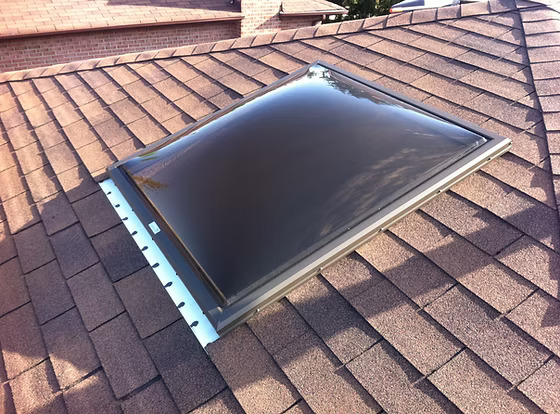
Toronto homeowners love skylights for the natural light they bring, especially during long winters and cloudy seasons. But when problems start — leaks, drafts, cracks, or condensation — the big question comes up fast: should you repair the skylight or replace it completely?
Making the right choice can save you hundreds or even thousands of dollars. The wrong decision can lead to repeated repairs, higher energy bills, and interior damage. Understanding how Toronto’s climate affects skylights and knowing when repair is enough — or when replacement is smarter — helps you protect both your home and your budget.
Why Skylights Face More Stress in Toronto
Skylights in Toronto go through extreme seasonal changes. Freezing winters, heavy snow, spring rain, and humid summers all impact roof structures and skylight seals.
Freeze–Thaw Cycles
When temperatures drop below freezing, moisture around the skylight can freeze and expand. As it melts, gaps form in flashing, seals, and roofing materials. Over time, this leads to leaks and structural wear.
Snow and Ice Buildup
Snow accumulation puts pressure on skylight frames. Ice dams can trap water around the unit, forcing moisture into weak points.
Summer Heat and UV Exposure
Heat can dry out sealants and warp older plastic domes. UV rays may weaken materials, causing cracks and discoloration.
Because of these conditions, skylights in Toronto often show wear sooner than homeowners expect.
When Skylight Repair Makes Financial Sense
Not every skylight issue means full replacement. In many cases, a professional repair is enough to restore function and extend lifespan.
Minor Leaks from Flashing Issues
If water is entering around the edges rather than through the glass, the issue may be damaged flashing. Repairing or resealing flashing is far cheaper than replacing the entire skylight.
Small Seal Failures
Sealant breakdown is common after years of weather exposure. Reapplying high-quality roofing sealant can stop drafts and moisture intrusion.
Condensation Problems
Condensation inside the room can be due to poor ventilation rather than skylight failure. Improving insulation or airflow may solve the issue without major work.
No Structural Damage
If the frame, glass, and surrounding roof deck are still in good condition, repair is usually the most cost-effective option.
Repairs typically cost a fraction of replacement and can add several more years to the skylight’s life when done correctly.
When Replacement Saves More Money Long-Term
While repair can be cheaper upfront, there are situations where replacement is the smarter financial decision.
Repeated Leaks
If the same skylight has been repaired multiple times, underlying structural or design issues may be the real problem. Continuing to patch it often costs more over time.
Old Skylights (15–20+ Years)
Older skylights lack modern energy-efficient technology. Even if repaired, they may still allow heat loss in winter and heat gain in summer, increasing utility bills.
Cracked or Damaged Glass
Glass damage affects insulation and safety. Replacing just the glass in older models is often impractical, making full replacement more logical.
Frame Rot or Roof Damage
Water damage around the frame can lead to wood rot and roof deck deterioration. In such cases, replacing the skylight along with repairing the roof area prevents bigger structural costs later.
Poor Original Installation
Improper installation is a common cause of chronic problems. Replacing the skylight with correct flashing and underlayment can permanently fix leaks.
Though replacement costs more initially, it eliminates recurring repair expenses and reduces energy waste.
Energy Efficiency: A Hidden Money Factor
Many homeowners focus only on visible damage, but energy performance plays a big role in long-term savings.
Older Skylights
Older units often have single-pane glass or outdated seals. These allow heat to escape in winter and enter during summer, forcing HVAC systems to work harder.
Modern Skylight Technology
New skylights come with double or triple glazing, Low-E coatings, and improved insulation. These features reduce temperature transfer and can lower heating and cooling costs over time.
If energy bills are high and the skylight is outdated, replacement may pay for itself through efficiency improvements.
Comparing Short-Term vs Long-Term Costs
Understanding the difference between immediate expense and long-term value helps you decide wisely.
Short-Term View
Repairs cost less upfront and are ideal when the skylight is relatively new and structurally sound.
Long-Term View
Replacement may seem expensive but prevents ongoing service calls, interior damage from leaks, and energy loss. Over 10–15 years, this can result in significant savings.
Choosing the cheapest option today may lead to higher cumulative costs.
Signs You Should Call a Professional in Toronto
Professional inspection is essential because roof and skylight issues are not always visible from inside.
Look for:
- Water stains around the skylight
- Peeling paint or bubbling drywall
- Drafts during cold weather
- Fog between glass panes
- Cracks or discoloration
A roofing specialist can determine whether the issue is surface-level or structural.
Repair or Replace: How to Decide
The best choice depends on the skylight’s age, condition, and history.
Repair Is Better If:
- The skylight is under 10–12 years old
- Damage is minor and localized
- There are no structural issues
- Leaks are caused by flashing or sealant
Replacement Is Better If:
- The unit is old or inefficient
- Repairs have already failed
- Glass or frame is damaged
- Installation was poor
Getting a professional assessment prevents guesswork and costly mistakes.
Preventing Future Skylight Expenses
Whether you repair or replace, maintenance reduces future costs.
Regular Inspections
Have your roof and skylight checked at least once a year, especially after winter.
Keep Surrounding Roof Clear
Remove debris, leaves, and snow buildup to reduce water pooling.
Address Small Issues Early
Small seal cracks can turn into major leaks if ignored.
Proactive care extends skylight lifespan and protects your home interior.
Read Also : Flat Roof vs. Pitched Roof Skylight Repairs: What’s Different?
Conclusion
In Toronto’s harsh climate, both skylight repair and replacement have their place. Repairs are cost-effective for minor, early-stage issues, while replacement is the smarter investment for aging, inefficient, or repeatedly failing units. The key to saving money is not choosing the cheapest option — it’s choosing the right solution based on condition, age, and long-term performance.
A professional inspection helps you make an informed decision that protects your home, prevents interior damage, and keeps energy bills under control.