
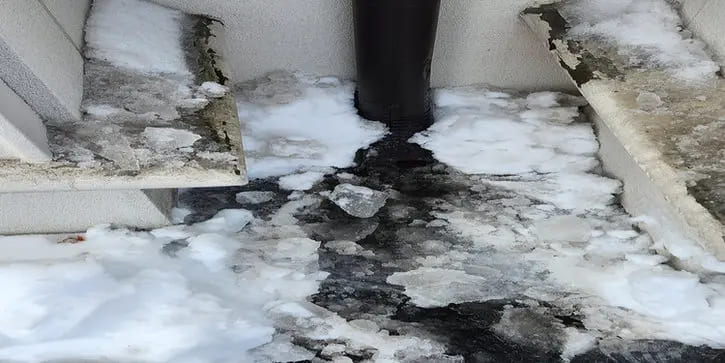
Toronto winters are known for heavy snowfall, freezing rain, and dramatic temperature swings. While skylights bring in natural light year-round, they can also become a weak point in your roof during harsh winter conditions. Many homeowners notice leaks appearing only after a major snowfall or ice buildup, leading to the question: can heavy snow and ice cause skylight leaks in Toronto homes?
The short answer is yes—but understanding why it happens can help you prevent costly water damage and extend the life of your skylight.
Understanding Toronto’s Winter Climate and Its Impact on Skylights
Toronto’s climate creates a perfect storm for roof and skylight issues. Extended cold periods followed by brief thaws put constant stress on roofing materials. Skylights, because they penetrate the roof surface, are especially vulnerable.
Unlike standard roofing shingles, skylights rely on precise flashing systems and seals to stay watertight. When snow and ice interfere with these systems, leaks can develop quickly, sometimes without obvious warning signs.
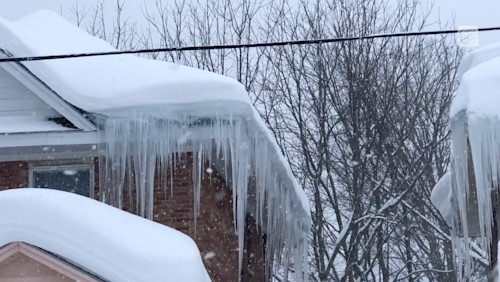
How Heavy Snow Puts Stress on Skylights
Snow accumulation may look harmless, but its weight can be significant. Wet snow is particularly heavy and can exert downward pressure on skylights and surrounding roof materials.
Over time, this pressure may cause slight shifts in the skylight frame or flashing. Even a small movement can break the watertight seal, allowing melting snow to seep underneath. Older skylights or those installed without proper reinforcement are especially susceptible to this type of damage.
Snow Load and Structural Strain
Toronto homes with flat or low-slope roofs are more prone to snow buildup. When snow piles up around a skylight, it creates uneven pressure points. These pressure points can weaken seals and expose small gaps where water can enter once melting begins.
The Role of Ice Dams in Skylight Leaks
Ice dams are one of the most common winter-related causes of skylight leaks in Toronto. They form when heat escapes from the attic, melting snow on the roof. As the water runs down and refreezes near colder roof edges or around skylights, ice dams develop.
Once ice dams form, they prevent proper drainage. Water pools behind the ice and is forced under shingles and flashing, often finding its way around skylights.
Why Skylights Are Prime Targets for Ice Dams
Skylights interrupt the natural flow of water off the roof. When ice builds up around their edges, it creates a barrier that traps melting snow. This trapped water has nowhere to go except inside, leading to slow leaks that may only become noticeable days or weeks later.
Freeze-Thaw Cycles and Seal Failure
Toronto frequently experiences freeze-thaw cycles during winter. Daytime temperatures may rise above freezing, only to drop sharply overnight. This constant expansion and contraction affects skylight seals, flashing, and surrounding roofing materials.
Caulking and sealants can crack under repeated stress. Once compromised, even a small crack can allow moisture to enter. Over time, this moisture freezes, expands, and worsens the damage, eventually causing visible leaks inside your home.
Aging Materials and Winter Vulnerability
Skylights installed more than 10–15 years ago often use materials that are less resistant to extreme temperature changes. Older acrylic domes, in particular, may become brittle in cold weather, increasing the risk of cracks and leaks during heavy snow and ice conditions.
Common Warning Signs of Winter Skylight Leaks
Skylight leaks caused by snow and ice are not always obvious at first. Being aware of early warning signs can help you act before serious damage occurs.
Water stains on ceilings or walls near the skylight are a common indicator. You may also notice peeling paint, bubbling drywall, or condensation forming between skylight panes. In some cases, cold drafts or visible frost around the skylight frame suggest insulation or sealing issues.
How Proper Installation Prevents Snow-Related Leaks
Many winter skylight problems trace back to improper installation. A professionally installed skylight includes an ice-and-water shield, high-quality flashing, and proper insulation around the frame.
In Toronto’s climate, these elements are not optional. Without them, heavy snow and ice can easily overwhelm the skylight’s defenses. Proper roof slope consideration and drainage planning also play a critical role in preventing water buildup around the skylight.
Flashing Systems Matter
Flashing is the metal barrier that directs water away from the skylight. Poorly installed or deteriorating flashing is one of the leading causes of leaks during winter. Heavy snow can conceal flashing problems until melting begins, at which point leaks suddenly appear.
Preventive Maintenance for Toronto Homeowners
Preventing skylight leaks starts with proactive maintenance, especially before winter arrives. Annual roof inspections can identify worn seals, loose flashing, or minor cracks that could worsen under snow and ice.
Keeping your attic well insulated and ventilated reduces heat loss, which helps prevent ice dam formation. Clearing excessive snow from the roof after major storms, when safe to do so, can also reduce stress on skylights.
When Professional Help Is Necessary
DIY fixes such as applying caulking during winter often provide only temporary relief. In freezing temperatures, sealants may not adhere properly. Professional skylight repair ensures that underlying issues are addressed, not just the symptoms.
Repair vs Replacement After Winter Damage
Not all skylight leaks require full replacement. Minor leaks caused by flashing issues or seal failure can often be repaired effectively. However, if the skylight structure is cracked or severely aged, replacement may be the more cost-effective long-term solution.
Toronto homeowners should consider energy efficiency as well. Modern skylights offer better insulation and resistance to winter conditions, reducing the risk of future leaks while improving indoor comfort.
Read Also : Flat Roof vs. Pitched Roof Skylight Repairs: What’s Different?
Final Thoughts on Snow, Ice, and Skylight Leaks
Heavy snow and ice can absolutely cause skylight leaks in Toronto homes, especially when combined with ice dams, freeze-thaw cycles, and aging materials. While skylights add beauty and natural light, they require careful installation and regular maintenance to withstand Toronto’s harsh winters.
Addressing small issues early and working with experienced skylight repair professionals can prevent major water damage and protect your home year-round. With the right precautions, your skylight can remain a reliable feature—even during the toughest Canadian winters.